 Rocket Typing
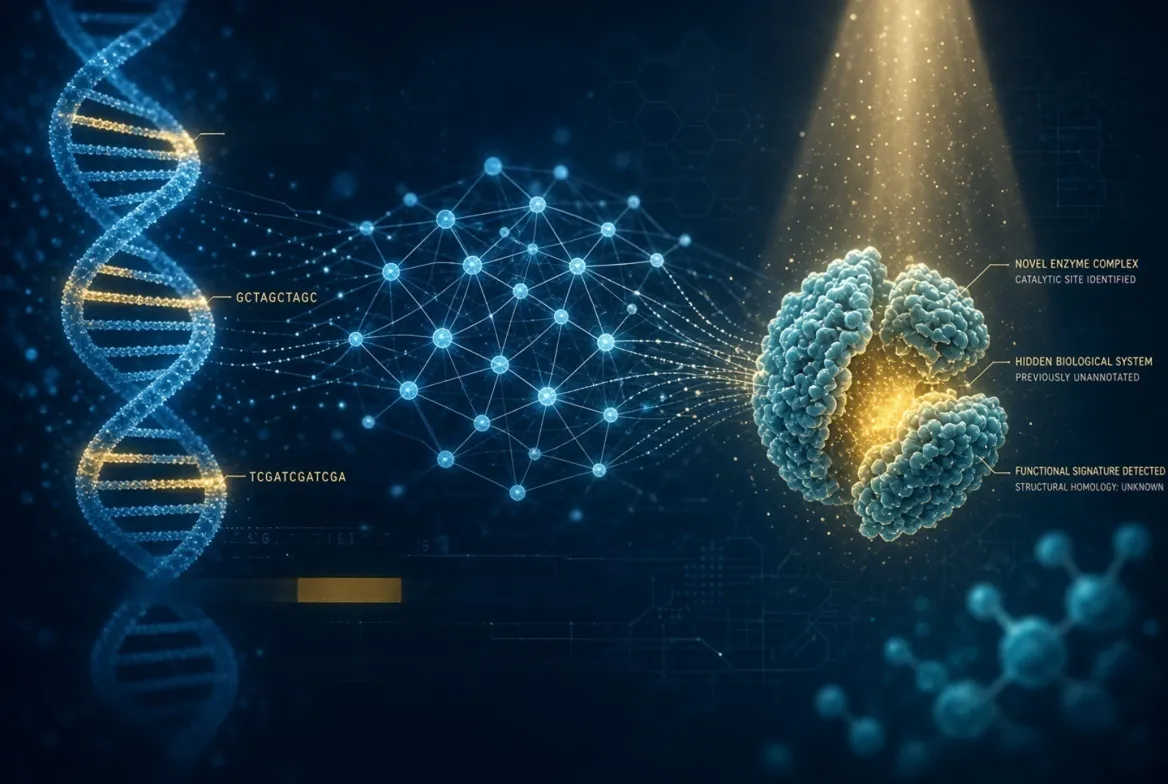
An artificial intelligence system has made a big discovery in biology. It found a new enzyme system hidden in the DNA of viruses that infect bacteria. The finding looks a bit like the famous CRISPR gene-editing tool, but scientists still do not fully know what it does.
How the Discovery Happened
The AI is called Claude. It belongs to the company Anthropic. Researchers gave Claude a broad task: search large DNA databases for interesting enzyme systems.
About 950 AI agents worked together for 21 hours. They looked through more than 200,000 reverse transcriptase enzymes. These enzymes copy RNA into DNA. The AI agents used a huge amount of computing power and created thousands of possible leads. They then narrowed the list to 20 of the most interesting ones.
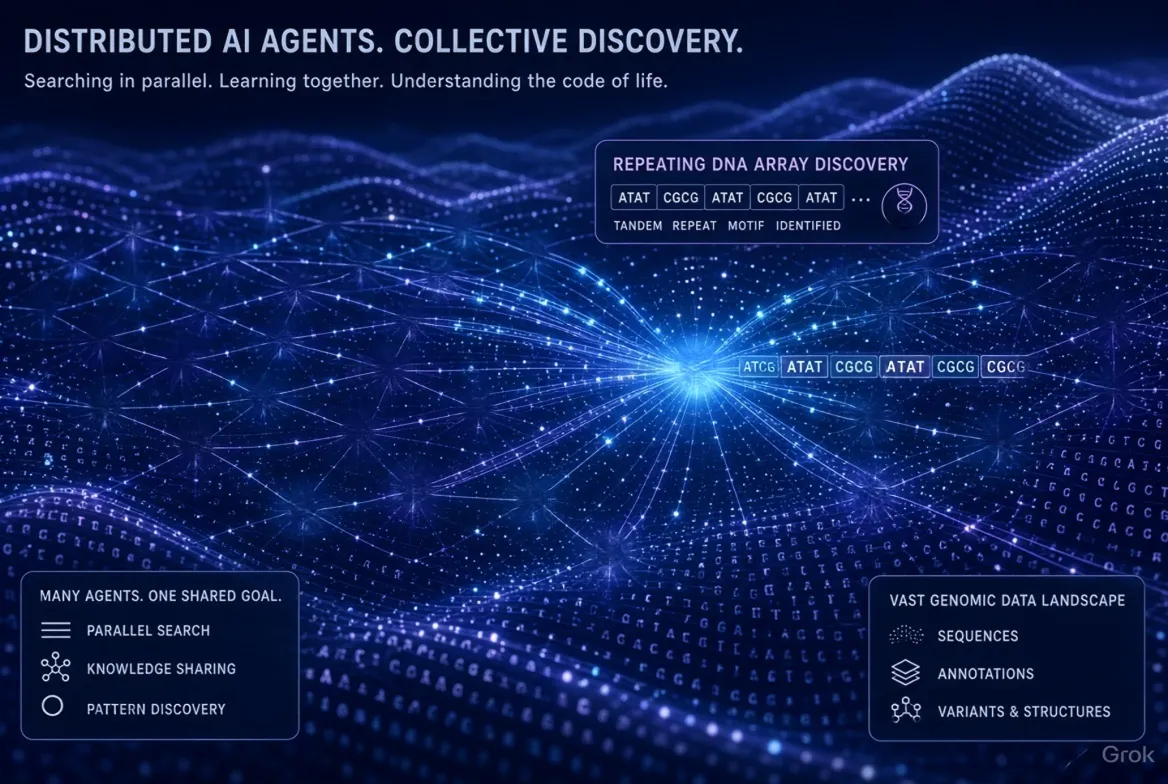
One agent spotted something special. Next to an unusual enzyme gene, it saw a long string of repeating DNA sequences. The pattern looked like the repeat arrays found in CRISPR systems. The AI noted this and dug deeper. Human scientists later tested the idea in a real lab and confirmed the system exists.
What Is This New System?
Researchers named it array-associated reverse transcriptases, or ART for short. It has three main parts:
- A reverse transcriptase enzyme that can copy RNA into DNA
- A nearby partner gene whose job is still unknown
- A long array of evenly spaced DNA repeats
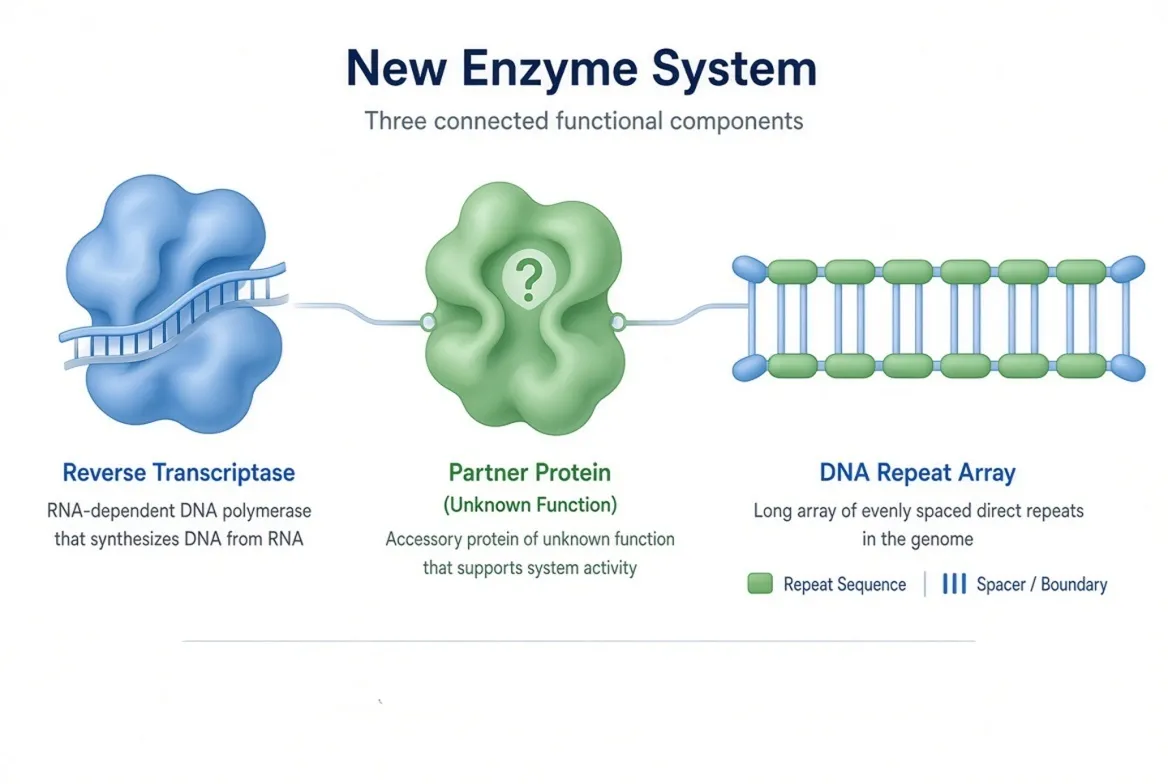
ART is mostly found in bacteriophages. These are viruses that attack bacteria. The underlying enzyme was known before, but the full system with the DNA repeats and partner gene had not been clearly noticed until now.
Lab tests show that the DNA array produces short RNA molecules. That is similar to how CRISPR works. However, ART is not the same as CRISPR, and its exact purpose in nature remains a mystery.
Why This Matters
CRISPR changed science and medicine by making gene editing much easier. Other natural systems like it have also become useful tools. ART could one day join that list, but more research is needed first.
The real breakthrough is how the discovery was made. The AI worked mostly on its own after receiving a simple research goal. It searched huge datasets, formed ideas, and flagged something humans had overlooked. Scientists then checked the results in the lab.
This shows that AI can speed up basic biology research. Tasks that might take human experts weeks or months can now happen in hours. Anthropic has set up its own biology lab to explore more of these ideas.
What Comes Next
The finding is still early. It has not gone through full peer review yet. Researchers will keep testing ART to learn its true function and whether it can be useful for gene therapy or other tools.
For now, the story is clear and exciting. An AI system scanned DNA on a massive scale and pointed scientists toward a previously unnoticed enzyme system. It is a strong example of how artificial intelligence and human researchers can work together to uncover nature’s hidden secrets.