 Rocket Typing
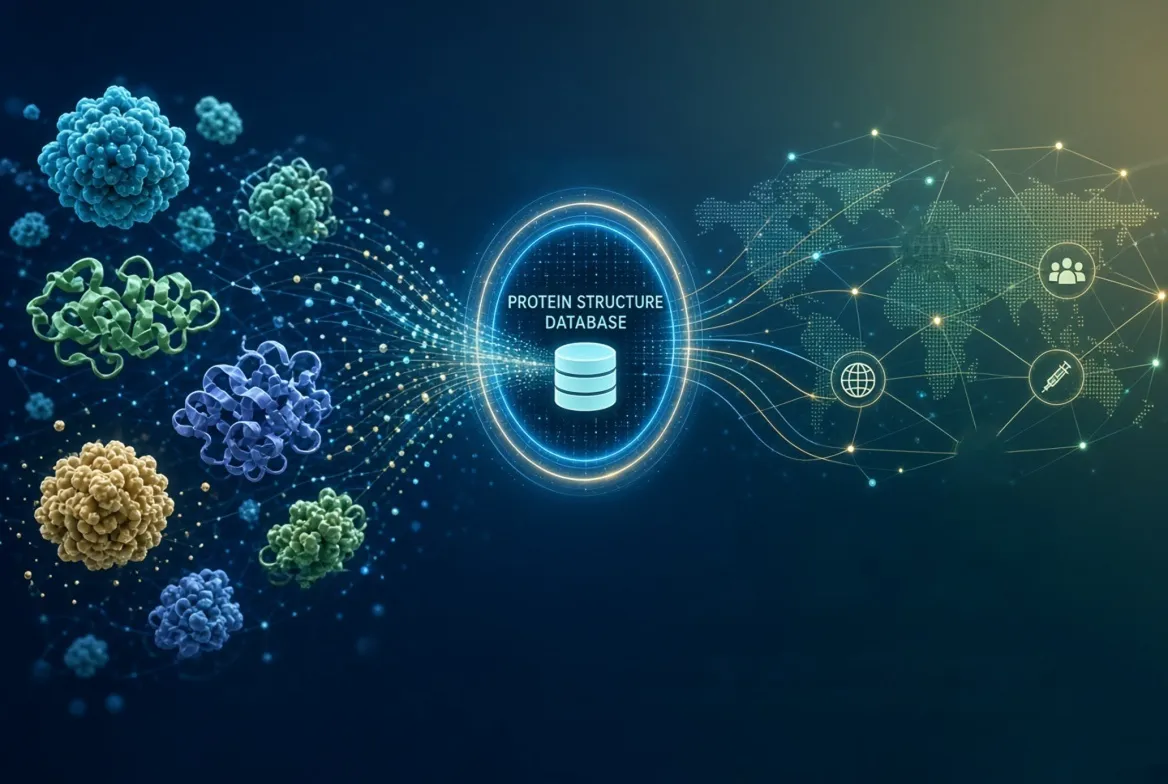
Scientists have added a large set of new information to the AlphaFold Database. This update focuses on proteins from thousands of viruses. The goal is to help the world get ready for future disease outbreaks.
What Is AlphaFold?
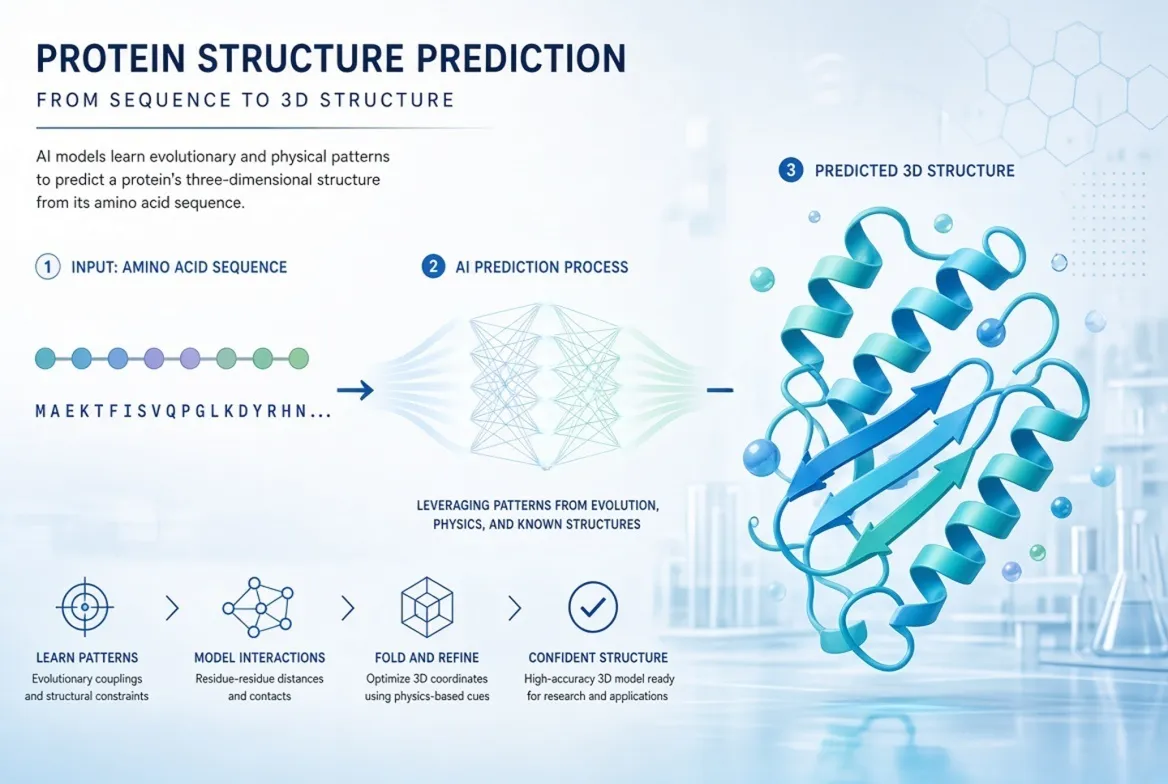
AlphaFold is an AI tool that predicts the 3D shapes of proteins. Proteins are the building blocks that do most of the work inside living things, including viruses. Knowing a protein’s shape helps researchers understand how it works and how to fight it.
The AlphaFold Database already holds predictions for hundreds of millions of proteins. Until now, many viral proteins were missing or incomplete. The new release fills that gap.
What Was Added?
Researchers used AlphaFold to predict structures for protein complexes from more than 2,800 viruses. These viruses come from families that can infect humans. The list includes common ones like cold viruses and more serious ones like mpox, measles, and hepatitis B.
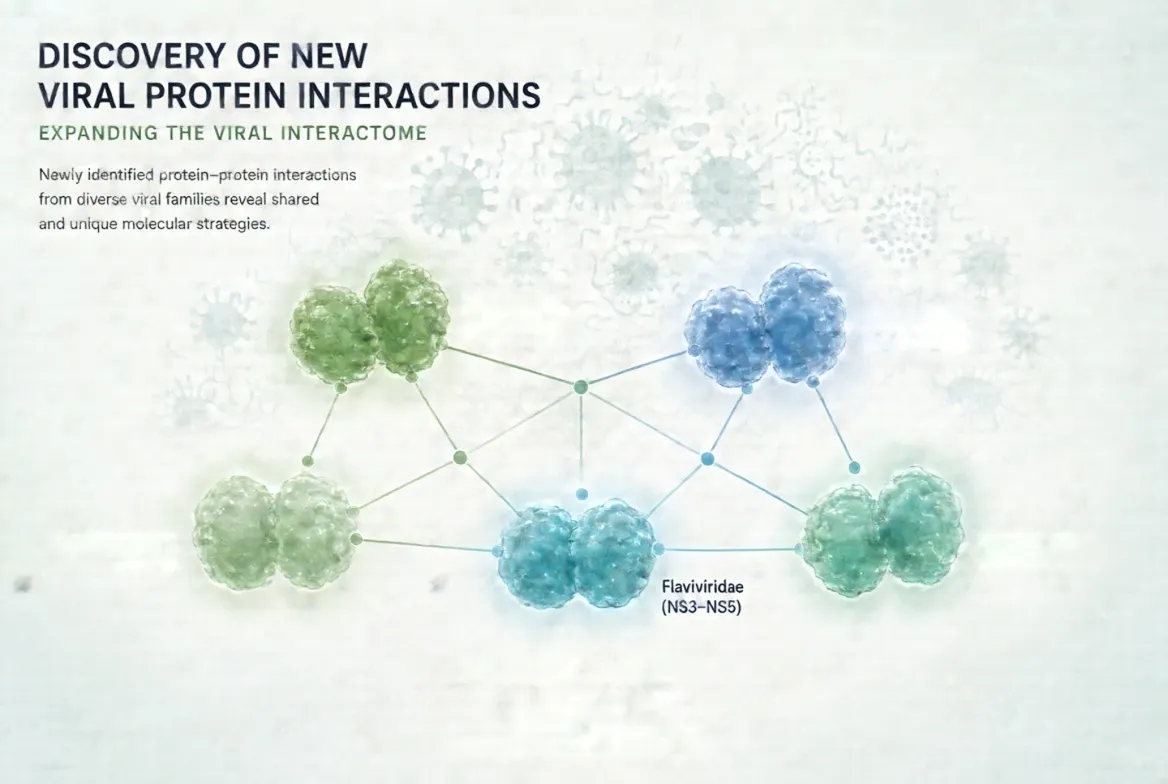
The team added over 8,000 high-quality protein pairs (called dimers). These show how viral proteins stick together and interact. About 30 percent of these interactions appear to be completely new to science.
The data is free and open for anyone to use. A special pandemic preparedness portal makes it easy to find the viral structures.
Why This Matters
When a new virus appears, scientists need to act fast. Having ready-made 3D models of its proteins gives them a head start. They can study how the virus enters cells, how it copies itself, and where drugs or vaccines might work.
This kind of preparation was useful during COVID-19. Experts hope the new viral data will help even more with the next outbreak.
The release was timed to match a United Nations meeting on pandemic prevention and response. Groups involved include EMBL-EBI, Google DeepMind, NVIDIA, and other research partners.
Looking Ahead
These are AI predictions, not lab-proven structures. Scientists will still need to check them with real experiments. Even so, the models already point to new protein interactions that could lead to better treatments or biotech tools.
The expansion shows how AI and open science can work together. By sharing this knowledge freely, researchers around the world can prepare for threats before they arrive. It is a practical step toward stronger global health readiness.