 Rocket Typing
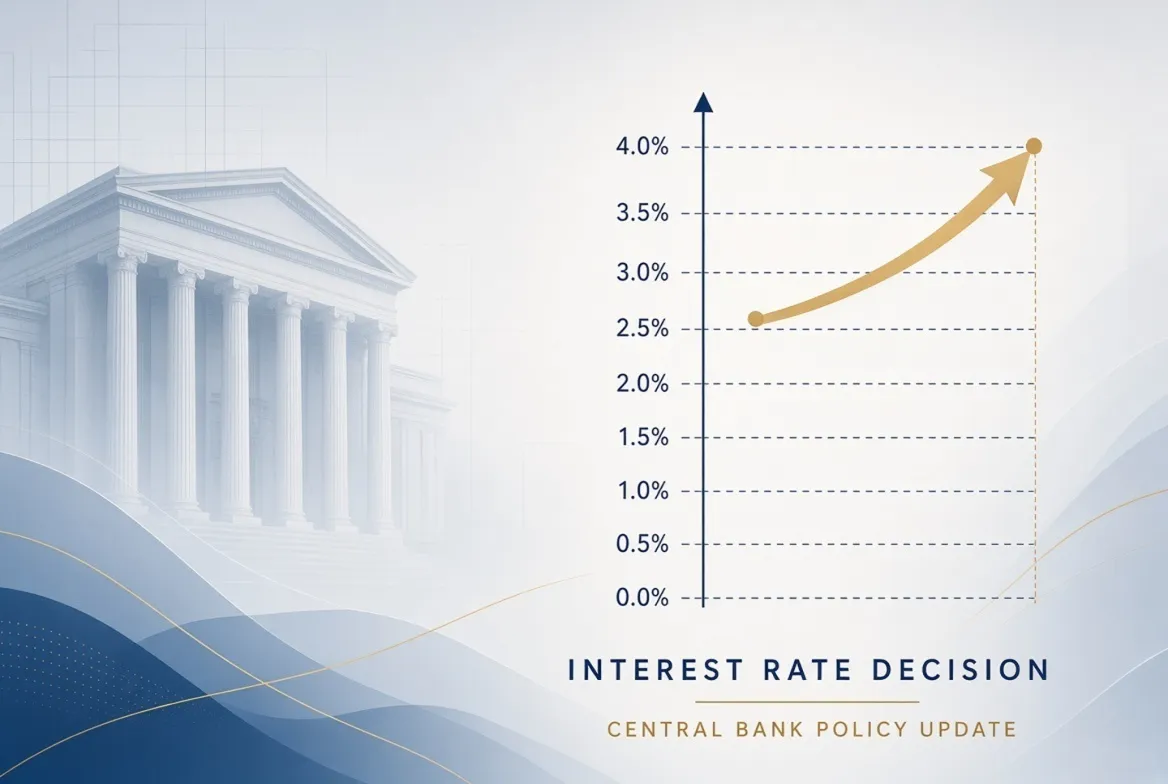
On September 16, 2026, the Federal Reserve raised its key interest rate by a quarter of a percentage point. The new target range is 3.75% to 4%.
This is the first rate increase since July 2023. All members of the rate-setting committee voted in favor of the move.
Why Did the Fed Raise Rates?
Inflation has stayed high for a long time. The main reason is rising energy prices linked to the ongoing war involving Iran. Higher oil and gas costs have pushed up prices for many goods and services.
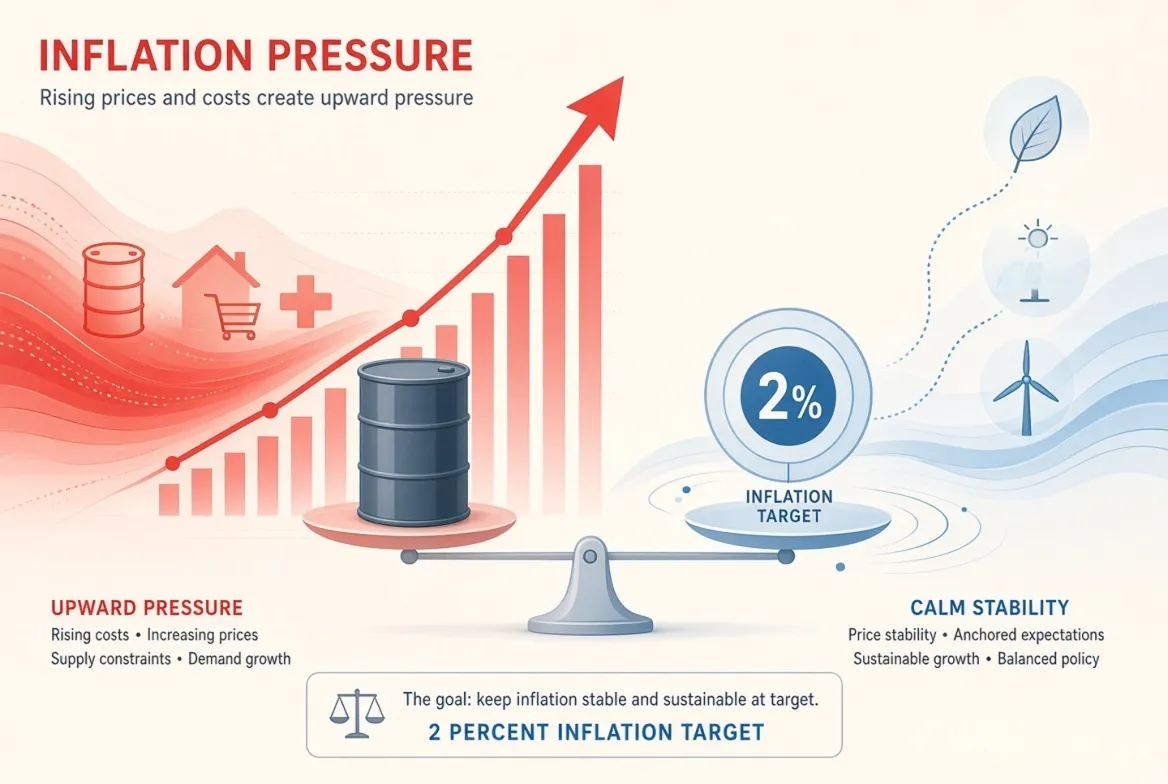
The Fed aims for 2% inflation. Recent data showed prices rising faster than that goal. Officials said the rate hike will help bring inflation down more quickly.
Fed Chair Kevin Warsh said inflation remains elevated and that the action supports a return to stable prices.
What Does This Mean for People?
Higher interest rates make borrowing more expensive. This can affect home loans and mortgages, car loans, credit cards, and business borrowing.
Banks often raise the rates they charge customers after a Fed move. Savers may see slightly better returns on savings accounts over time.
What Comes Next?
Many Fed officials expect at least one more small rate increase before the end of 2026. They will watch inflation and the economy closely at future meetings.
The decision came even as some political leaders preferred lower rates. The Fed said it focuses on its job of keeping prices stable and supporting jobs.
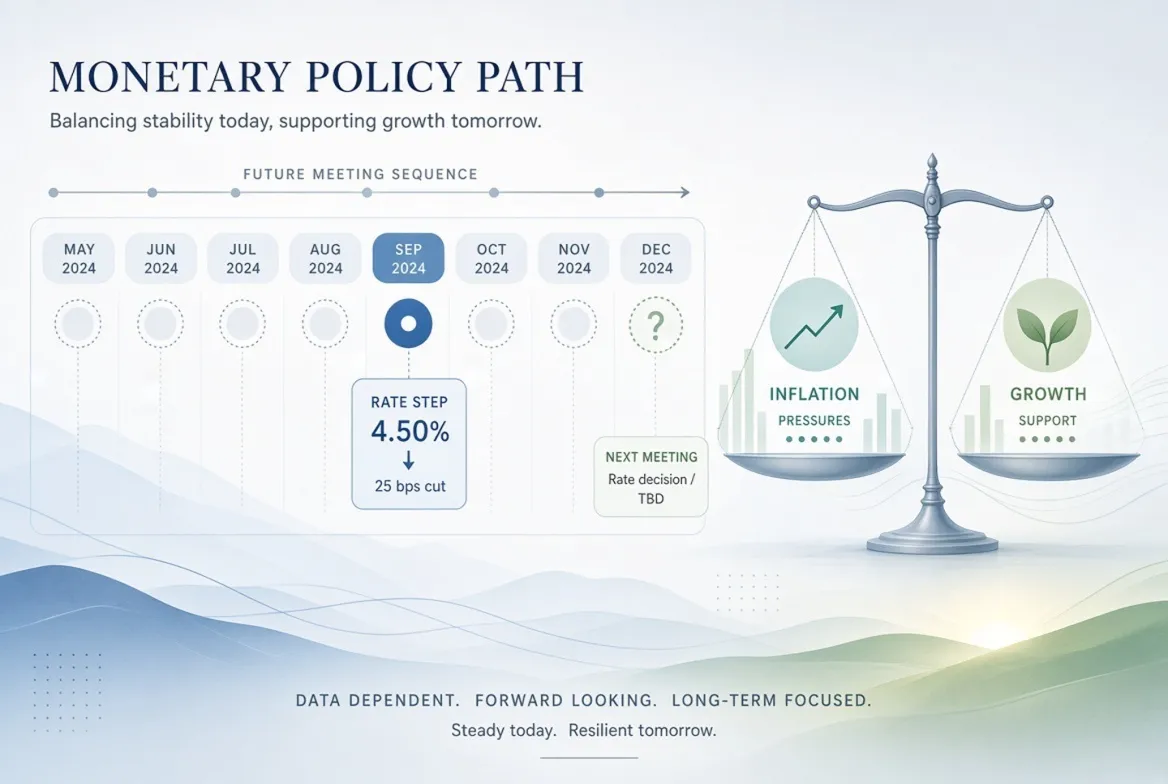
Markets reacted with some ups and downs as investors digested the news. The next Fed meeting is scheduled for late October.
This rate hike marks a clear shift after years of holding rates steady or cutting them. People and businesses will feel the effects in the months ahead as the cost of borrowing rises.