 Rocket Typing
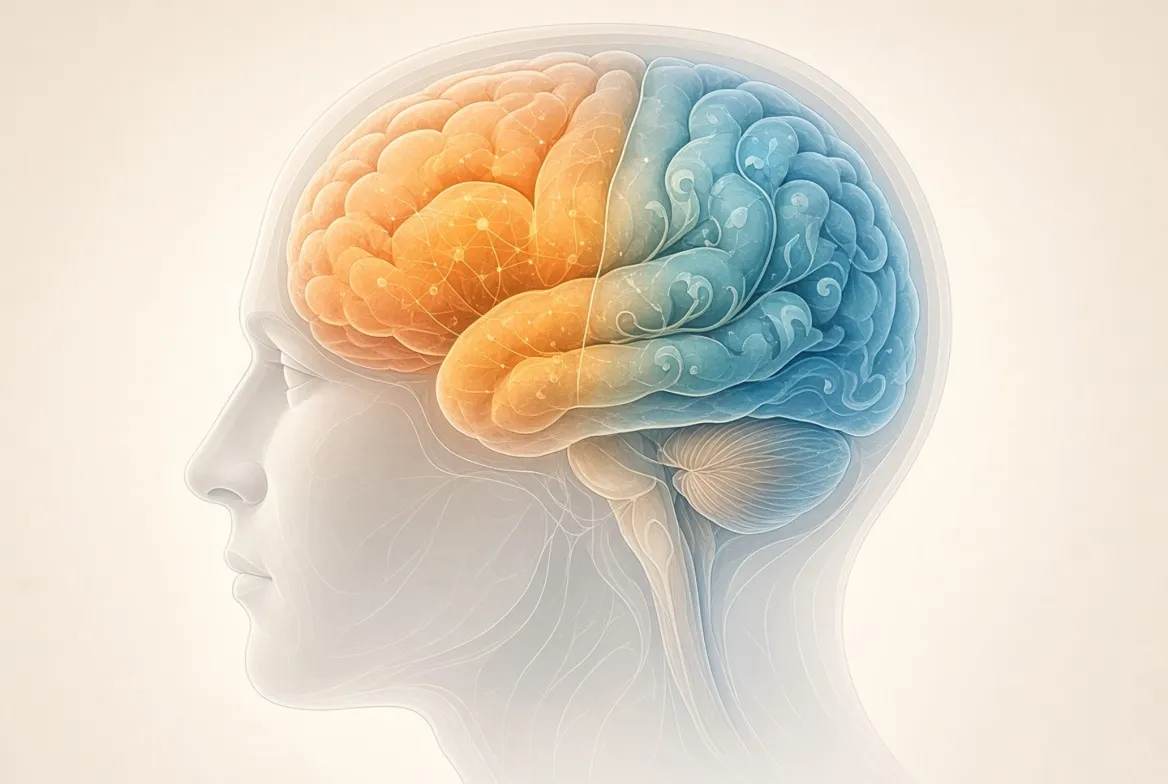
A new study from Stanford University suggests the human brain is not one single organ. Instead, it may be two different organs that joined together over a very long time.
Researchers published the findings in the journal Nature Neuroscience in mid-September 2026. They say the front and back parts of the brain come from completely different starting cells in the early embryo.
What the Study Shows
For many years, scientists believed the whole brain grew from one type of early cell. The new research challenges that idea.
The team found two separate groups of cells:
- One group forms the front and middle parts of the brain (forebrain and midbrain). These handle thinking, language, memory, and complex ideas.
- The other group forms the back part of the brain (hindbrain or brainstem). This controls basic life functions like breathing, heartbeat, sleep, and swallowing.
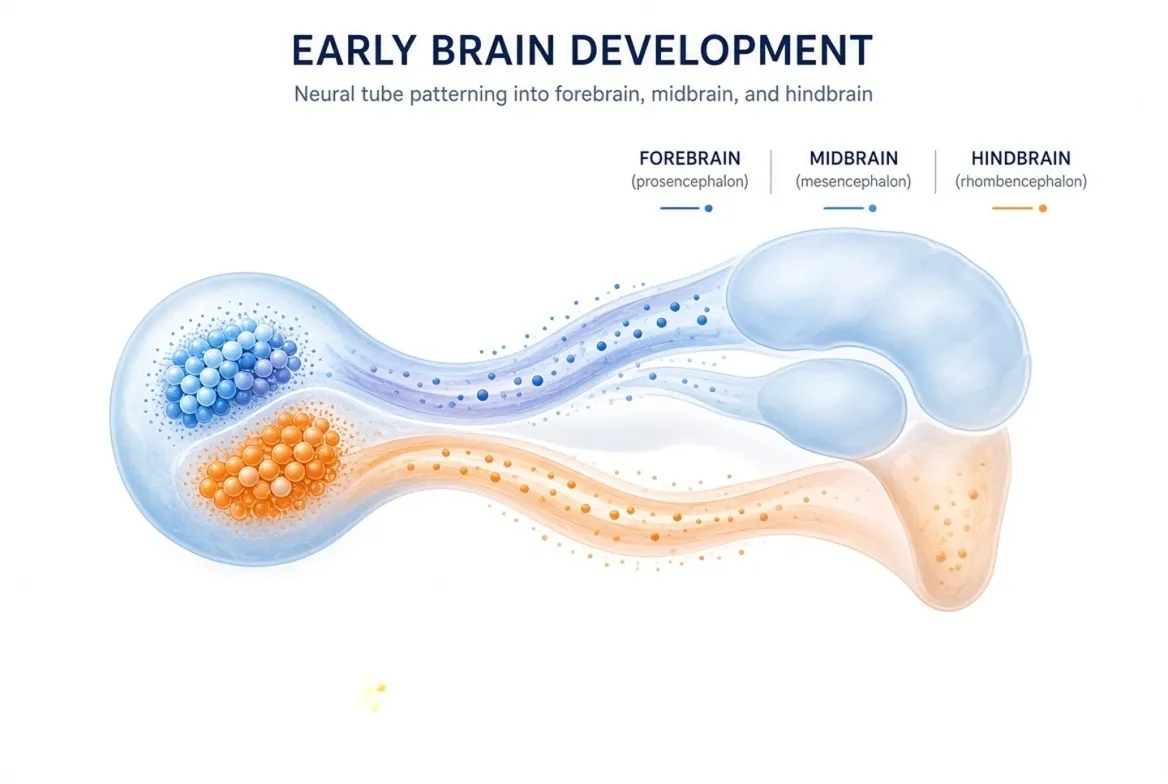
These two cell groups never mix. They stay separate from the very beginning of development.
Why This Matters
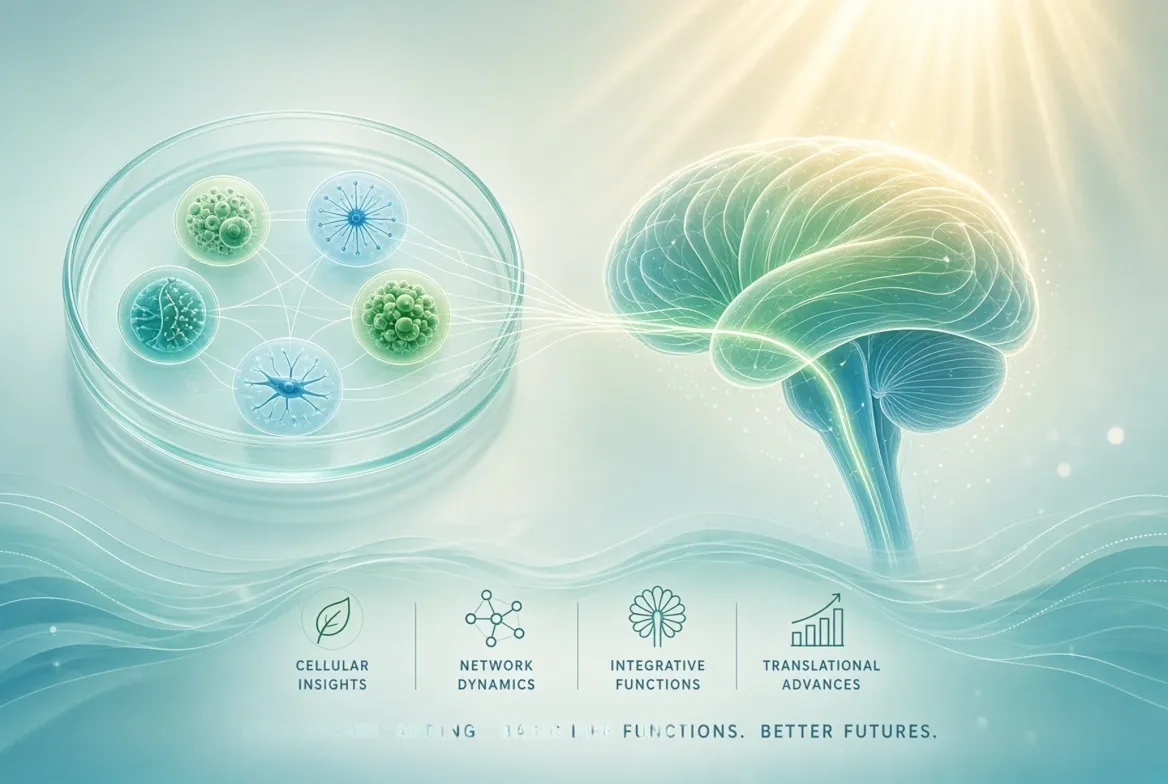
The discovery helps explain why scientists had trouble growing certain brain cells in the lab for years. Now they can grow hindbrain cells more successfully.
This could lead to better research on diseases that affect the brainstem, such as ALS (Lou Gehrig’s disease) and spinal muscular atrophy.
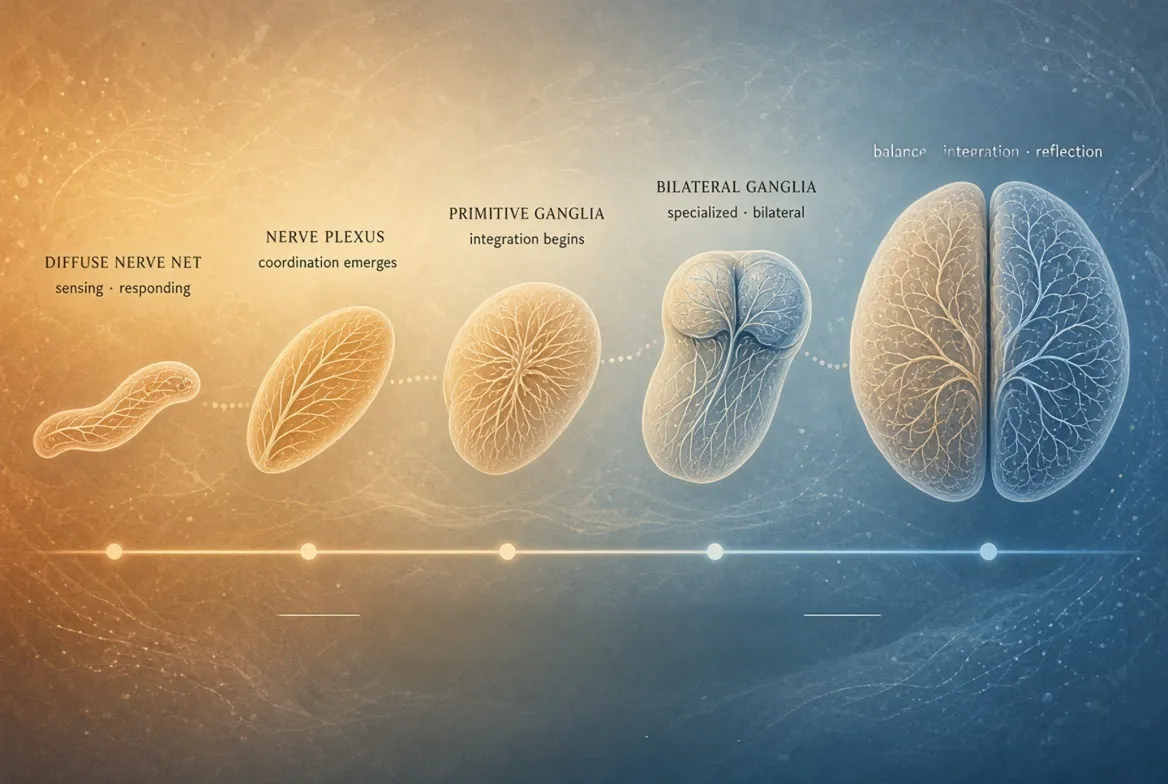
The same two-part pattern appears in other animals, including mice, chickens, fish, and even distant relatives like acorn worms. This suggests the brain’s dual nature is very old in evolution.
Simple Takeaway
What we call the brain may actually be two ancient nervous systems that evolution pushed together. One keeps us alive. The other lets us think and feel.
Scientists say this finding could change how we study the brain and treat some serious neurological conditions in the future.